Dish towels do a lot of quiet work: drying plates, wiping hands, grabbing a hot pan handle. That’s exactly why they need washing more often than most of us manage. So how often should you wash dish towels? Canadian food-safety guidance points to frequent hot washes for kitchen towels, and a fresh dishcloth every day. Here’s what that means in practice, how to wash them, and when to swap one out right away.
The short answer: change dishcloths you use for wiping every day (Health Canada), and change dish towels often, ideally every day, washing them in hot water (Fondation OLO). Put a towel straight in the laundry if it touches raw meat, poultry or seafood juices (University of Nebraska–Lincoln).
Dish towels, tea towels and dishcloths: what’s the difference?
The names overlap, but the jobs are different:
- Dish towels and tea towels are for drying clean dishes and hands. The two names are often used for the same thing.
- Dishcloths (or dish rags) are for washing dishes and wiping counters, tables and spills.
The difference matters, because a cloth that wipes surfaces picks up more from the kitchen than a towel that only dries clean plates. Food-safety advice is strictest for cloths used on surfaces.
How often should you wash dish towels?
Health Canada’s advice is to consider paper towels for cleaning kitchen surfaces, and if you use cloth towels, to wash them often in the hot cycle of your washing machine (Health Canada). Quebec’s Fondation OLO is more specific: change dishcloths, hand towels and dish towels often, ideally every day, wash them in hot water and dry them in the dryer (Fondation OLO).
Nebraska Extension’s food-safety site gives similar advice. It says kitchen towels should be changed frequently, that a common recommendation is daily, and that the right frequency depends on how often a towel is used and for what (University of Nebraska–Lincoln).
So a fresh dish towel every day is a sensible default. A towel that only dries clean, washed dishes and is hung to dry between uses is likely lower risk than one that also wipes hands, counters and spills.
Is once a week enough?
For towels you use every day, a weekly wash is less often than the Canadian guidance above suggests. “Often” and “ideally every day” are the words used (Health Canada; Fondation OLO). Keeping a stack of clean towels in a drawer makes a daily swap easy.
How often should you change dishcloths?
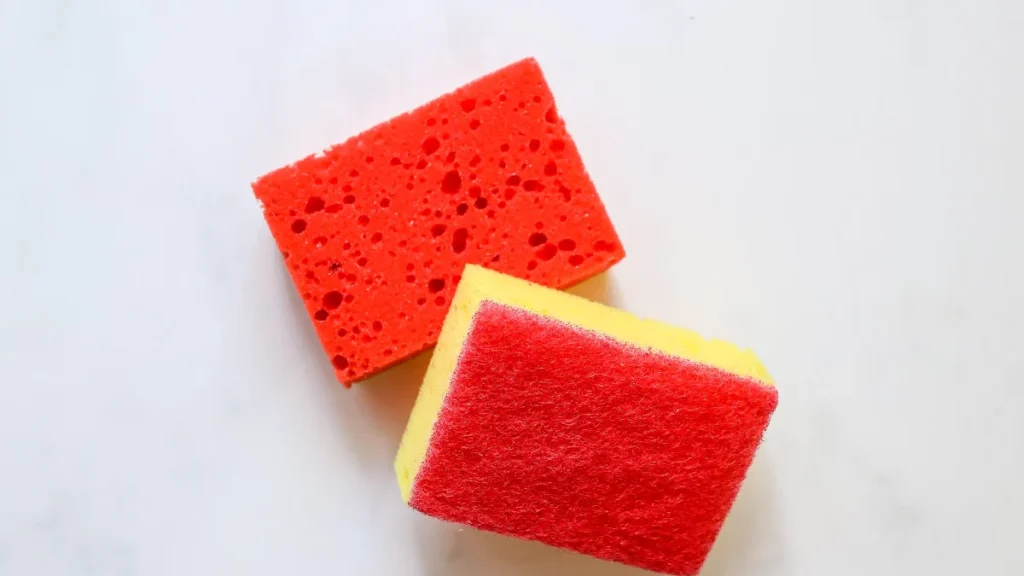
Every day. Health Canada recommends using paper towels to wipe kitchen surfaces, or changing dishcloths daily to avoid cross-contamination and the spread of bacteria. It also advises avoiding sponges, because they’re harder to keep free of bacteria (Health Canada). New Brunswick and HealthLinkBC give the same daily advice (Government of New Brunswick; HealthLinkBC).
If you use a sponge, our guide to how to clean a kitchen sponge covers how to look after it and when to replace it.
Why damp, multipurpose towels are the problem
A small 2018 study from the University of Mauritius, presented at the American Society for Microbiology’s annual meeting, looked at 100 kitchen towels after a month of use. Bacteria grew on 49% of them. Towels used for several jobs (wiping utensils, drying hands, holding hot pans, wiping surfaces) had higher bacterial counts than single-purpose towels, and damp towels had higher counts than dry ones (ScienceDaily).
It was a small study in one country, presented at a conference, so it doesn’t tell you exactly how often to wash your own towels. But its findings point the same way as the food-safety advice: keep towels dry between uses, give them one job each, and change them often.
When to swap a towel right away
- After raw meat, poultry or seafood. If a towel wipes up juices from raw meat, poultry or seafood, put it straight in the laundry and use a clean one (University of Nebraska–Lincoln).
- When it’s been used on surfaces. A dishcloth that wipes counters should be changed daily (Health Canada), and paper towels are an option for messy spills (Health Canada).
- When it stays damp. Damp towels carried more bacteria than dry ones in the study above (ScienceDaily).
How to wash dish towels
- Use the hot cycle. Health Canada and the University of Nebraska–Lincoln both recommend washing kitchen towels in the hot cycle (Health Canada; University of Nebraska–Lincoln).
- Dry them completely. Nebraska suggests drying them fully on a high setting (University of Nebraska–Lincoln), and Fondation OLO also recommends the dryer (Fondation OLO).
- Check the care label first. Some towels, such as linen or printed cotton, may have their own washing and drying instructions. If you use bleach on white towels, follow both the care label and the product’s directions.
How to keep dish towels cleaner between washes
- Give each towel one job. Keep one towel for drying dishes and another for hands, and use a dishcloth or paper towel for counters and spills. In the study, single-purpose towels carried fewer bacteria than multipurpose ones (ScienceDaily).
- Hang it open to dry. A towel spread out on a rail dries faster than one left bunched on the counter.
- Wash your hands first. Health Canada recommends washing your hands with warm, soapy water for at least 20 seconds before and after handling food (Health Canada), so you’re not drying unwashed hands on the dish towel.
The bottom line
Change dishcloths every day, and wash dish towels often, ideally daily, in the hot cycle, then dry them completely. Swap any towel that touches raw meat juices straight away, and give each towel a single job.
More practical kitchen help is in our Home & Kitchen guides.